Forming saints.

To know Christ. To recognise the dignity of another person. To choose what is good, even when it is difficult.

Holiness is a calling for every child. Catholic education helps them begin to answer it through prayer, friendship, learning and service.

Faith in a child’s daily life
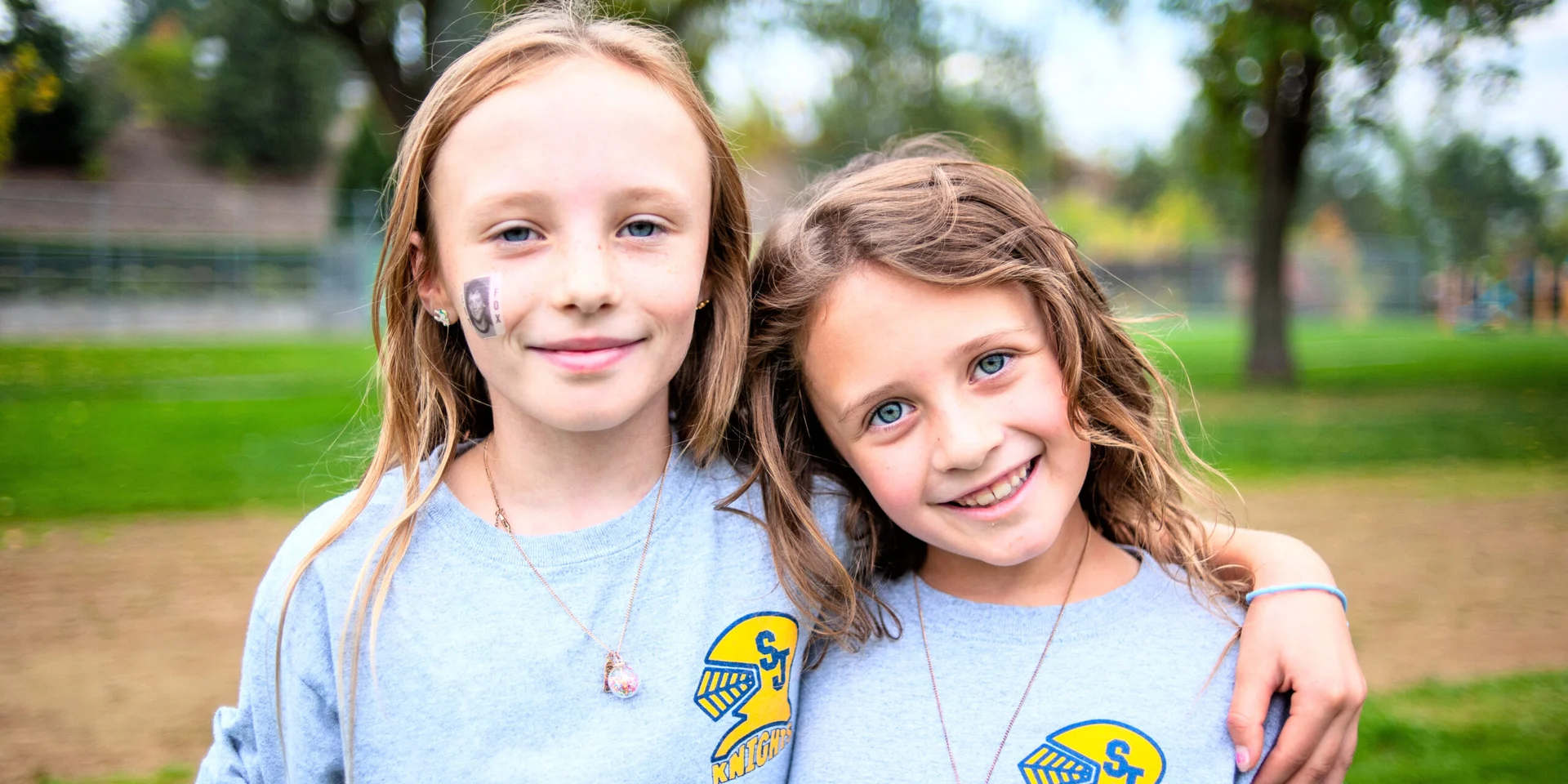
Two St. James pupils standing together outdoors in their school sweaters.

A faith already being handed on.

At St. James, classroom prayer, faith sharing and virtues education are part of school life. The school works with parents to help children grow as members of the Church and learn to serve others.

A new campus would give this existing mission a lasting home.

Faith and learning at St. James School

Faith becomes a way of life.

Coming to know Christ.

Catholic formation begins with the person of Jesus Christ. Scripture, the teaching of the Church and the example of the saints give children a language for understanding who they are, what they believe and how they are called to live.

A Gospel story introduces a child to mercy. As understanding grows, so does the capacity to ask questions about belief and consider what following Christ asks of a difficult choice. Faith deserves patient teaching, thoughtful answers and adults whose lives give weight to their words.

Learning to pray and worship.

Prayer gives a child words for gratitude, sorrow, hope and the needs of others. Learning the Our Father, offering an intention for someone in need and spending a quiet moment in thanksgiving can make prayer familiar and personal. Silence teaches attention. The sacramental life of the Church places that personal relationship with God within a community of faith, with the Eucharist at its heart.

A school close to parish life offers an opportunity to bring learning and worship into a deeper relationship. The proposed campus beside Our Lady of the Valley Church gives this part of the mission a particular importance.

Forming a conscience.

Knowing what is right and choosing it are habits learned over time. Telling the truth when it is difficult. Making amends. Treating a classmate with dignity. Having the courage to defend someone who is left out.

These ordinary choices are part of moral formation. A Catholic education should help children understand why goodness matters and practise it with increasing freedom and responsibility.
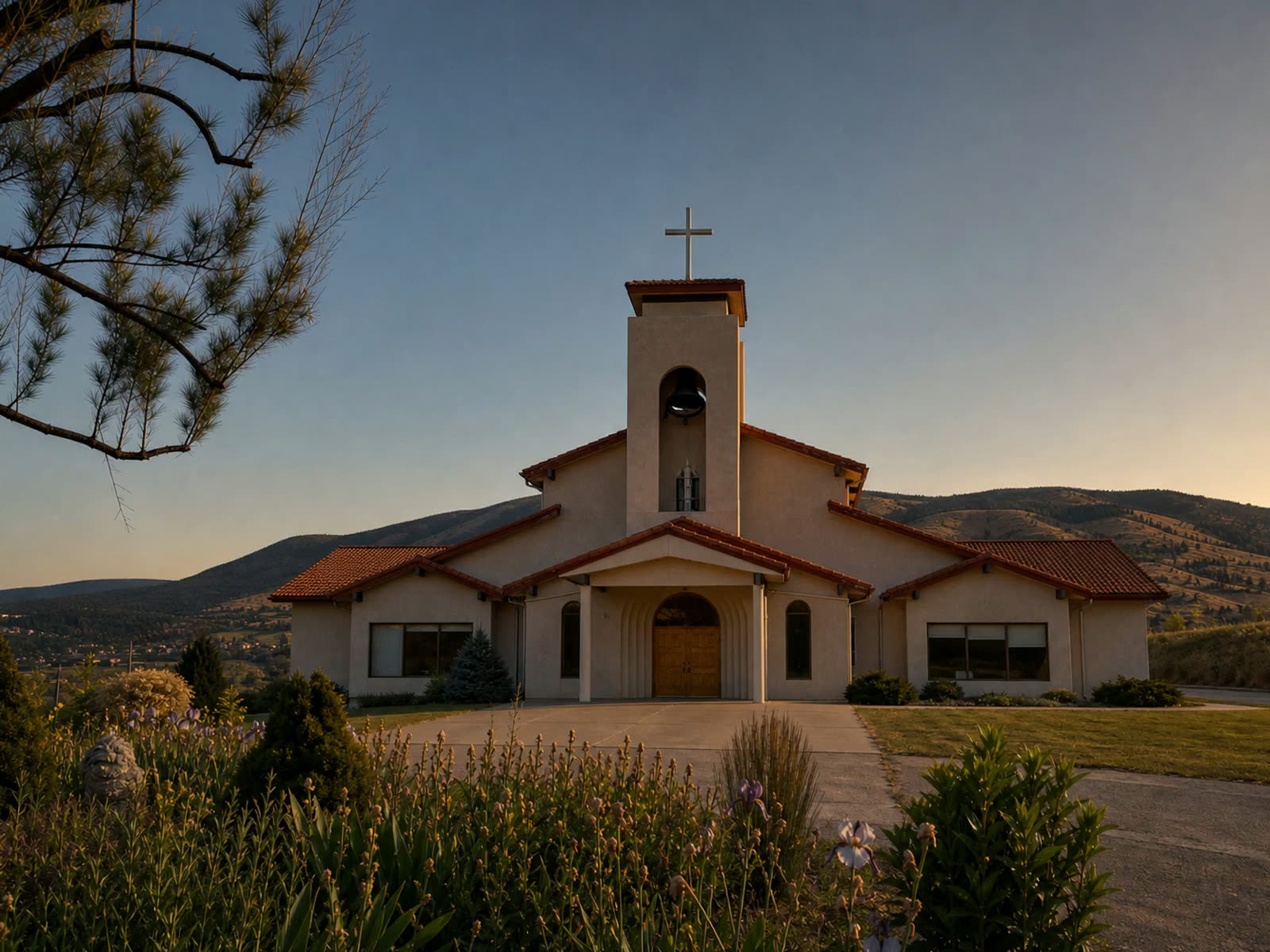
Our Lady of the Valley Church framed by trees.

Learning to give of ourselves.

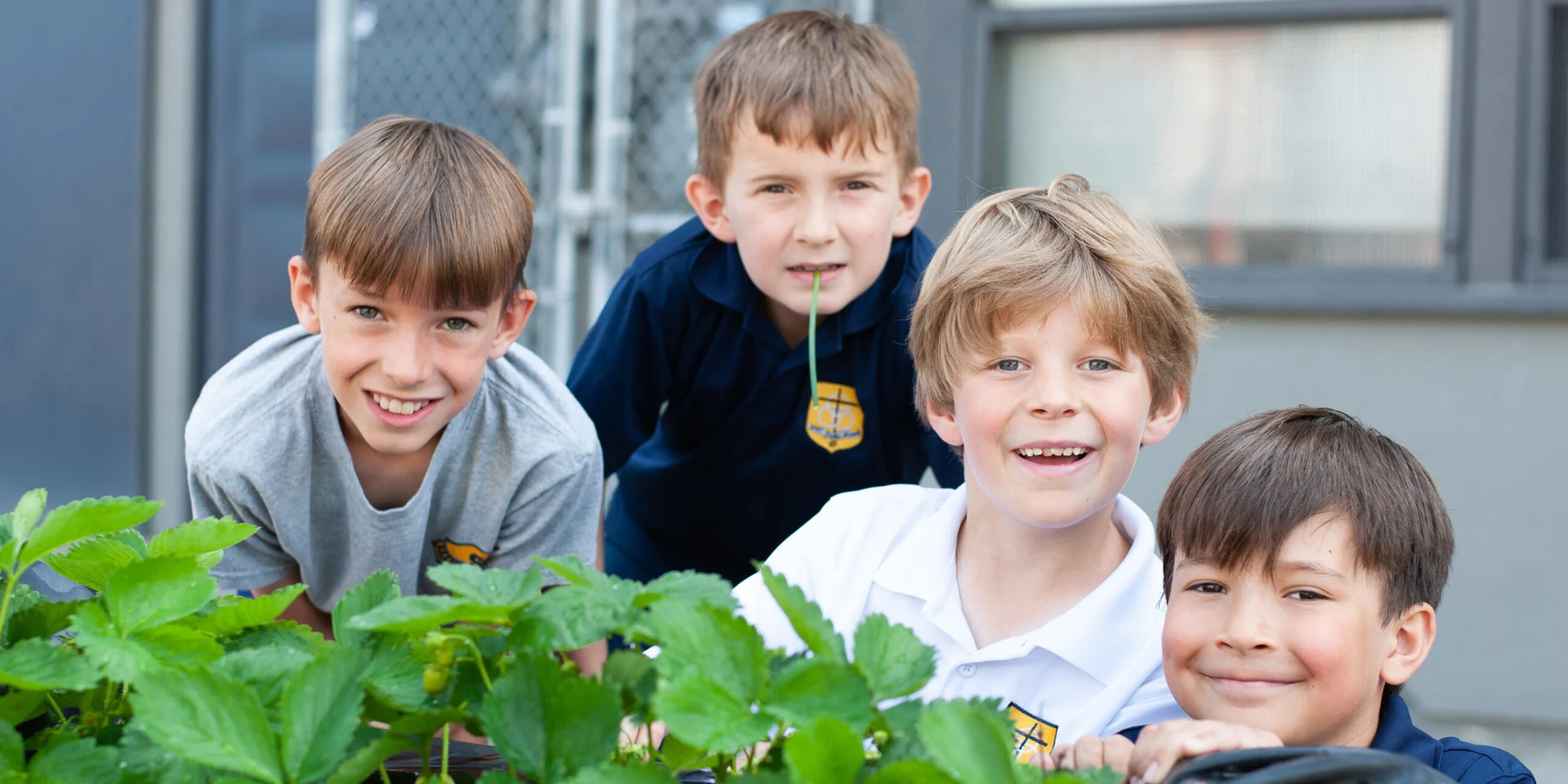
Four St. James pupils gathered beside strawberry plants.

Love made practical.

Service begins with noticing another person: welcoming a new classmate, helping someone with a difficult task or giving time to a neighbour. As children grow, they can take greater responsibility for work that serves others and reflect on why it matters. Their abilities become gifts they can share.

Home, school and parish.

Parents have the first responsibility for a child’s formation. A Catholic school supports that work through teaching, example and a community in which faith can be practised. Teachers and parish members help children see that following Christ belongs to every age and stage of life.

The school’s patron, St. James the Apostle, offers an example of answering Christ’s call. Parents, teachers, parishioners and patrons share the responsibility of handing that faith on. You can read more about the Canadian roots of Catholic education in our mission.

Faith and reason. One whole person.

Spiritual formation belongs alongside serious learning. Children need both the desire to choose well and the understanding to judge well.

Explore Forming Scholars

Give this mission a future.